Il Convivio
Three days at the table.
The premise
AI is the most-discussed and least-inhabited technology in living memory. Boards review it, town halls cover it, vendors brief on it, and few senior leaders have had the time to work inside it themselves. Convivio is the opposite arrangement. Three unhurried days at an estate south of Siena, in the company of three or four leaders of the same calibre, drawn from one large organisation or several non-competing ones. The time is yours; the room is held.
A note on what this is not
Enterprise training is delivered to a roster: an agenda, a curriculum, a certificate at the end. Convivio has none of the three. There is a stone kitchen, current technology, three or four peers you would normally only meet across a board pack, and the time the subject otherwise never gets.
The shape of it
The days are structured loosely on purpose. There is no fixed schedule to march through, no breakout room, no plenary. There is shape, and the shape is roughly this:
Hours at the keyboard. Working with the current generation of models on problems and material brought from your own business. The objective is fluency: knowing which model suits a task, why the models make mistakes and how to check what they produce. The kind of judgment about what AI can and cannot do that only arrives after sustained time inside the technology, with someone next to you who has shipped these systems before.
Hours across the table. The harder conversations, about what AI changes in your function, what it leaves alone and what changes in the function next to yours, happen at length, in the company of leaders who carry the same weight of decision. These are conversations that almost never survive the schedule of a normal week. Including, often, the conversations about what to stop.
Hours outside. The vineyard, the cellar, long meals, sleep. The judgements that matter rarely arrive at a desk. Convivio is built on the assumption that good thinking needs the right room and a slower clock.
Who it's for
For senior leaders of large organisations: the chief executive, the chief financial officer, the operator who carries the AI mandate but has not been given the quiet hours the mandate actually asks for. Three or four people per cohort. From the same company, or from several non-competing companies in adjacent industries. Both arrangements work, and the conversation in the second is often the more useful one.
What changes afterward
What matters most is what you ask of your people on the Monday after. Most of an organisation's time goes into data gathering and the analysis that follows. Executives who have spent three unhurried days inside the technology tend to come back and reset what they expect that work to take: a week becomes an afternoon, a deck becomes a draft, a question that would have been escalated gets answered. That reset is the thing.
The place
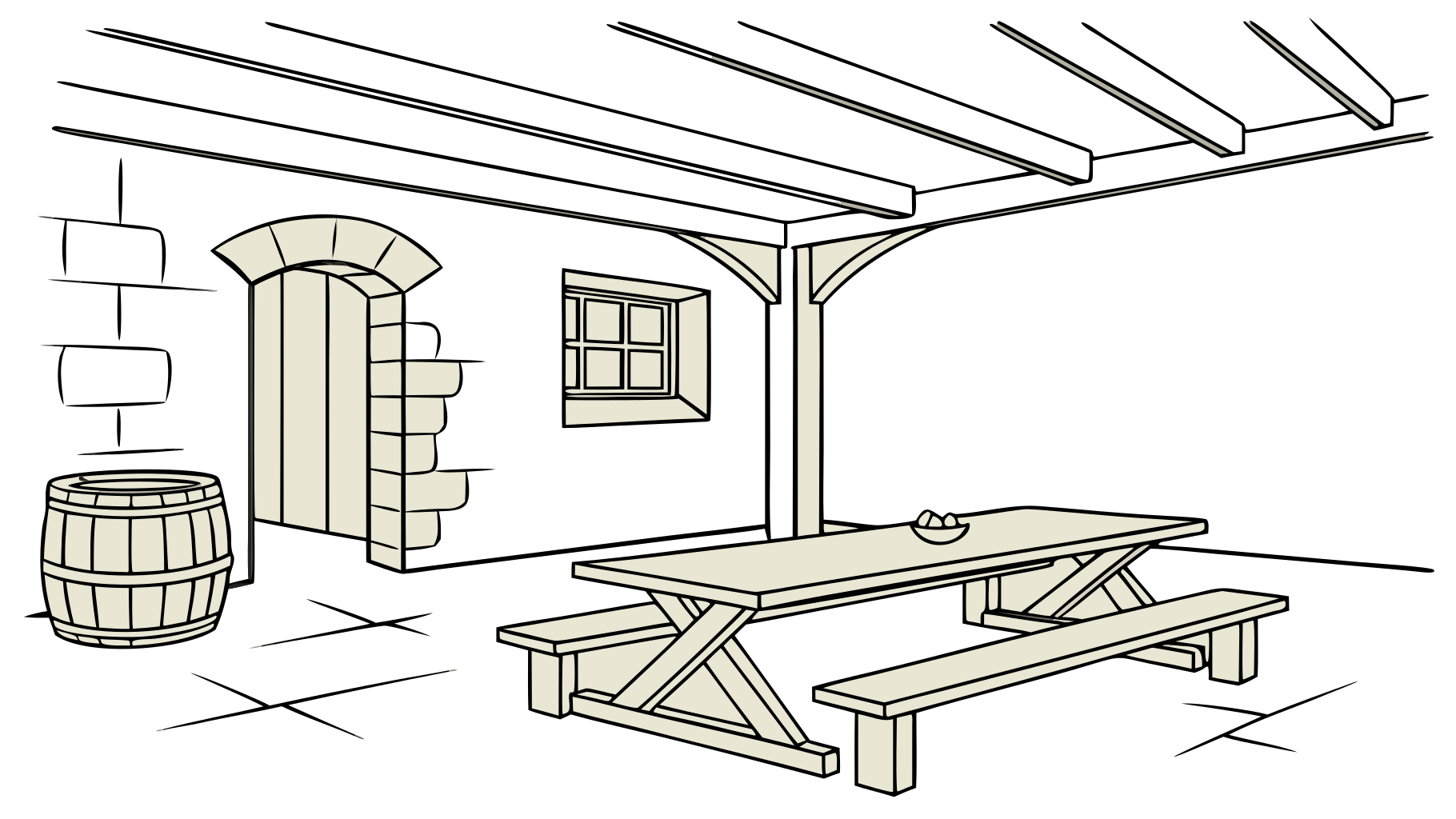
The estate sits in the hills south of Siena. A long stone kitchen, a vineyard fifteen minutes on foot, a cellar that stays cold in August. The room with the table seats twelve. The name comes with your confirmation.
Host
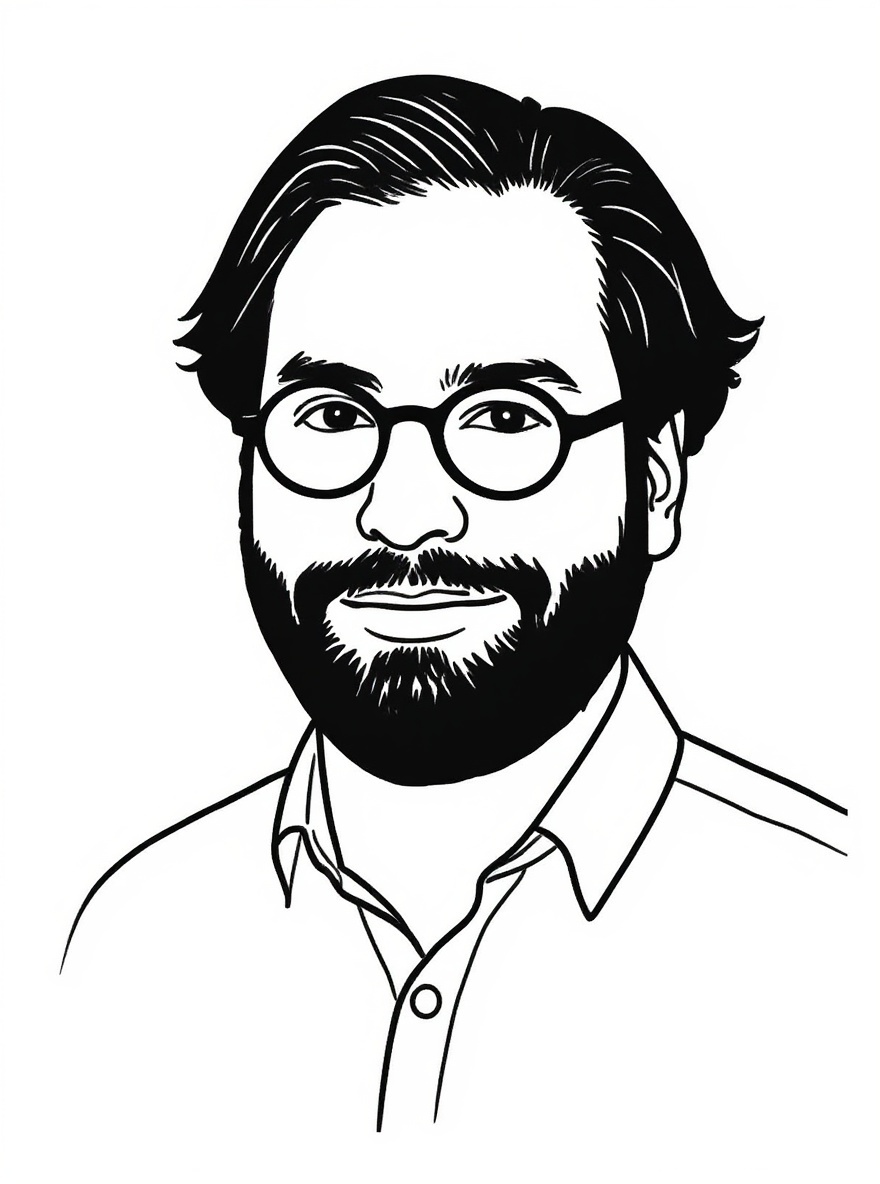
Dr. Patrick Wollner
Host
Most recently Associate Partner at McKinsey & Company, leading AI projects for global companies from the first discussion with senior leadership through development and into production. Before McKinsey, he co-founded and exited Bambus.io, a fintech for real-estate equity release, and founded design//digital, a consultancy for human-centred digital products. He advised the European Commission on Horizon 2020, wrote a technology column for Austria's daily KURIER for over fifteen years, and now writes “Die KI und wir”, a fortnightly column on AI in Die Presse. He holds a PhD in Engineering Design and a Masters in Machine Learning from the University of Cambridge. Based in Vienna.
He uses AI extensively in his own work and knows firsthand both how useful it can be and where it falls short. Decisions about AI touch technology, capital allocation, organisational design and judgement under uncertainty at the same time. What the senior leaders he works with lack most is time inside the technology, with peers, away from the pressure of the day.
He has no vendor affiliations and takes no referral fees.
Wine across the three days is poured by a Tuscan producer from the estate's own cellar. Named on confirmation.
Cohorts
Now open to register interest for 2027. Three to four seats per cohort. By invitation. Register below.
Dates are shared with those who write in.
Register your interest
Register your interest for 2027. A short note is enough. Every note is read by hand and answered personally by Patrick, usually within a week.
Three days at the estate is the format here. Patrick also runs a shorter one: a two to three hour session at your own offices, one-to-one, with small leadership groups on request. That one is described at immersion.day.